What Is Sodium Sulfide Used For?

Time:2026-09-14 Author:Madeline
0%

Sodium Sulfide is an industrial chemical with a surprisingly broad role across manufacturing. It usually appears as yellow, brown, or reddish flakes, depending on its purity and production method. In pulp and paper mills, it supports the kraft process by helping separate lignin from wood fibers. This step exposes cleaner cellulose for paper production. Tanners may use it to loosen hair from hides before later processing. Textile manufacturers also use related sulfide chemistry in some dyeing operations, especially with sulfur dyes. The details vary by facility. They should not be assumed.

Mining provides another important application. Sodium Sulfide can help modify mineral surfaces during flotation, allowing operators to separate selected metals from unwanted rock. Some wastewater treatment systems use it to convert dissolved metal ions into less soluble compounds for controlled removal. However, this process requires careful engineering, because the chemical can release toxic hydrogen sulfide gas under acidic conditions. It is strongly alkaline and can irritate or burn skin, eyes, and respiratory tissues. Proper ventilation, sealed equipment, monitoring, and trained handling are essential. Household experimentation is inappropriate.

Understanding what Sodium Sulfide is used for also means understanding its limits. It is not a universal cleaner, and its performance depends on concentration, temperature, pH, and surrounding materials. Published technical data, supplier specifications, and site-specific risk assessments should guide decisions. In practice, small process changes can affect product quality and worker safety. That lesson is easy to underestimate. Reliable use depends on controls, not confidence alone.
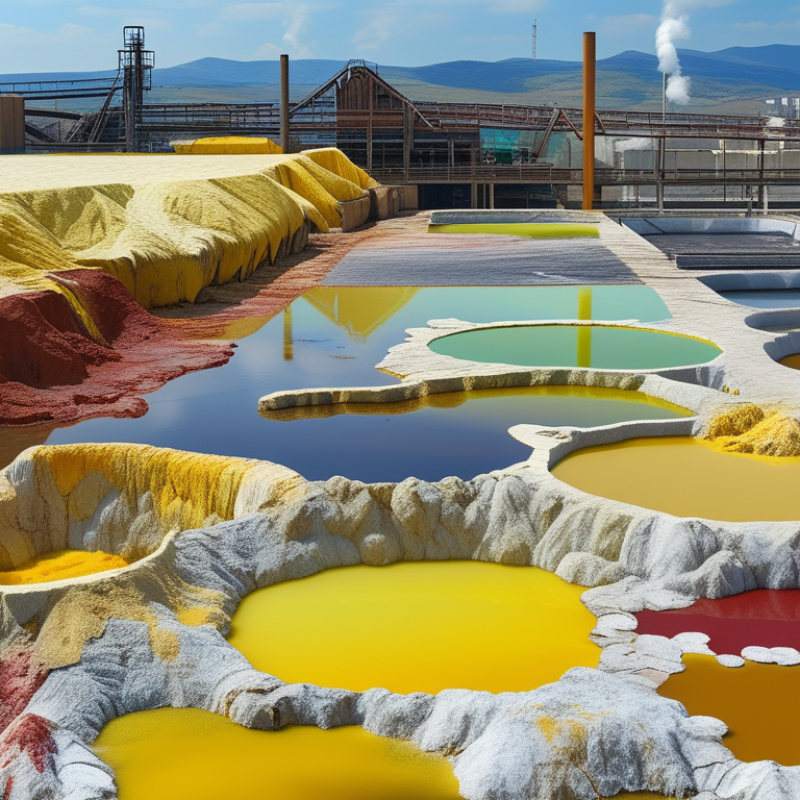
What Is Sodium Sulfide Used For?

Sodium Sulfide Basics: Na₂S, CAS 1313-82-2, and 78.04 g/mol

What Is Sodium Sulfide Used For?

Sodium Sulfide Basics: Na₂S, CAS 1313-82-2, and 78.04 g/mol

Sodium sulfide, written as Na₂S, is an inorganic sulfide salt with a molar mass of 78.04 g/mol. Its CAS Registry Number is 1313-82-2, a useful identifier for technical documents and safety records. Pure sodium sulfide is generally colorless to pale yellow, while commercial material may appear darker. Form matters. It may be supplied as flakes, powder, or hydrated material, so the stated assay deserves attention.

In pulp and paper production, sodium sulfide helps break down lignin during alkaline processing. Leather processors use it to loosen hair from hides before later treatment. Mining operations may apply sulfide chemistry during flotation, where surface reactions help separate selected minerals. It also supports the manufacture of sulfur-containing chemicals and some dyes. These applications depend on concentration, temperature, and controlled contact time.

Sodium sulfide reacts with acids and can release hydrogen sulfide, a highly toxic gas. That risk makes ventilation, closed handling, compatible equipment, and trained supervision essential. Moisture also changes product behavior. A practical check includes the safety data sheet, assay, hydration state, and storage conditions. I would not treat 78.04 g/mol as a dosing instruction. Industrial products can differ in purity and water content, and that distinction is easy to miss when a label looks simple.

Kraft Pulping: Na₂S in White Liquor at 20–35% Sulfidity

In kraft pulping, sodium sulfide is a working chemical in white liquor, not a minor additive. It converts partly to hydrosulfide ions under alkaline conditions. These ions help break lignin bonds around cellulose fibers. TAPPI TIP 0404-63 defines sulfidity as the sodium sulfide share of active alkali, calculated as Na₂S divided by NaOH plus Na₂S, usually expressed as Na₂O.

At 20–35% sulfidity, mills balance delignification performance with chemical losses and odor control. Higher sulfidity can improve lignin removal selectivity, especially during the early cooking stage.

However, excessive sulfide may increase reduced-sulfur emissions, corrosion concerns, and recovery-system demands. The U.S. Environmental Protection Agency’s AP-42, Chapter 10.2, identifies kraft pulping and chemical recovery as major sources of reduced-sulfur compounds. Numbers alone do not explain every digester.

Operators also monitor effective alkali, temperature, residence time, wood species, and liquor penetration. A white-liquor sample can look acceptable while poor mixing creates undercooked chips. That is an easy mistake. TAPPI process guidance links sulfidity control with stable cooking and lower kappa-number variation, but actual results depend heavily on mill configuration and chip quality.

In practice, 20–35% is a useful operating range, not a universal recipe. Some furnishes respond differently. A small sulfidity adjustment may change brownstock washing, oxygen demand, and bleaching chemical consumption. For reliable decisions, mills compare laboratory titration, online measurements, kappa data, and recovery-boiler performance rather than trusting one reading.

Leather Tanning: Na₂S Unhairing Baths Commonly Contain 2–4%

Sodium sulfide is widely used in leather tanning, especially during the unhairing stage. In a typical unhairing bath, Na₂S commonly represents about 2–4% of the process mixture. It weakens keratin in the hair and epidermis, allowing operators to remove hair with less mechanical force. The hide becomes visibly cleaner, softer, and easier to prepare for fleshing.

The percentage needs careful interpretation. It may describe commercial sodium sulfide product, not pure active Na₂S. Water volume, hide weight, temperature, lime, and soaking quality all change the effective dose. Technical guidance from the United Nations Industrial Development Organization identifies sulfide as a major beamhouse pollutant. The European Commission’s 2013 BREF for Tanning of Hides and Skins reports untreated tannery wastewater can contain sulfide at hundreds of milligrams per litre, depending on dilution and process control. Some technical studies estimate sulfide use near 0.5–2 kilograms per tonne of raw hide, but factory results vary.

Real hides are less tidy than tables. Experienced technicians check pH, temperature, hair release, and residual sulfide before adjusting the bath. Poor control can leave hair attached or damage the grain. Acid must never contact sulfide residues, because toxic hydrogen sulfide may form. Safer facilities use enclosed equipment, ventilation, alarms, and wastewater treatment. The 2–4% figure is practical, not universal. Better monitoring may reduce sulfide demand without sacrificing unhairing performance.

Mining Flotation: Na₂S as a Sulfide Modifier for Copper and Zinc Ores

What Is Sodium Sulfide Used For?

In mining flotation, sodium sulfide (Na₂S) works as a sulfide modifier for copper and zinc ores. It can create a thin metal-sulfide layer on oxidized mineral surfaces. This layer improves collector attachment and supports selective flotation. The practical target is not simply “more sulfide.” It is a controlled surface reaction.

Small changes matter.

Operators usually adjust Na₂S dosage with pH, oxidation-reduction potential, pulp density, and conditioning time. In a plant, technicians may compare froth color, bubble persistence, concentrate grade, and tailings assays. Excess Na₂S can depress valuable minerals or produce unstable froth. Insufficient dosage may leave oxidized particles poorly floatable. The chemistry is useful, but not forgiving.

The U.S. Geological Survey’s Mineral Commodity Summaries 2025 estimates 2024 global mine production at roughly 22 million metric tons of copper and 12 million metric tons of zinc. The International Lead and Zinc Study Group’s 2024 outlook places global refined zinc usage near 14 million metric tons. These figures show the scale of minerals requiring efficient separation, although they do not measure sodium sulfide consumption directly. Every ore responds differently. That point is easy to underestimate. Laboratory locked-cycle tests, plant sampling, and staged dosing remain necessary before changing a circuit. Some operators still rely too heavily on fixed dosage rules, which can overlook weathered zones, water chemistry, and changing feed mineralogy.

What Is Sodium Sulfide Used For? - Mining Flotation: Na₂S as a Sulfide Modifier for Copper and Zinc Ores

Data Dimension Verified Technical Information Practical Flotation Relevance
Chemical identity Sodium sulfide, Na₂S; anhydrous molecular mass: approximately 78.04 g/mol. Commercial material is commonly supplied as flakes, solid, or aqueous solution and may contain hydration water. The active sulfide concentration should be used when comparing products or calculating flotation additions.
Primary flotation function Sulfide modifier, sulfidizing agent, and, under selected conditions, mineral depressant. It changes the surface chemistry of minerals before or during collector addition, influencing mineral selectivity and recovery.
Oxidized copper ores Na₂S can sulfidize oxidized copper minerals such as malachite, azurite, and chrysocolla-bearing material, creating a sulfide-like surface. The modified surface can respond more effectively to sulfide-mineral collectors, although reagent selection and mineralogy strongly affect results.
Oxidized zinc ores Sodium sulfide may be used to sulfidize zinc oxide minerals, including smithsonite, before collector addition. Sulfidization may improve subsequent zinc flotation, often in combination with pH control and an activator such as copper sulfate where appropriate.
Copper sulfide ores In copper sulfide circuits, Na₂S may be used mainly as a modifying or depressing reagent rather than as the principal collector. It can help alter the flotation response of selected sulfide minerals, but excessive sulfide can reduce copper recovery or interfere with collector adsorption.
Copper–zinc separation Sodium sulfide may be included in a selective flotation scheme to depress or modify the response of zinc-bearing and iron-sulfide minerals while copper is floated. The result depends on pH, oxidation-reduction conditions, mineral liberation, collector type, and the presence of activating ions.
Surface-chemistry mechanism Sulfide ions and related dissolved sulfide species can react with oxidized mineral surfaces and promote formation of metal-sulfide species or sulfide-rich surface films. The surface may become more receptive to sulfide-mineral collectors, improving hydrophobicity and attachment to air bubbles.
Typical addition point Usually added during conditioning or grinding-classification stages, before the collector and often before or together with other modifiers. The addition point is selected to provide sufficient reaction time while limiting oxidation and unwanted bulk sulfide effects.
Commonly monitored variables pH, oxidation-reduction potential, sulfide concentration, conditioning time, pulp density, dissolved oxygen, and water chemistry. These variables determine whether Na₂S promotes sulfidization, depression, nonselective activation, or loss of flotation response.
Indicative laboratory dosage range A broad preliminary test range is approximately 0.1–5.0 kg of active Na₂S per metric ton of dry ore; some ore types may require lower or higher amounts. This is a test-planning range, not a universal operating recommendation. Optimization should use rougher recovery, concentrate grade, selectivity, and residual sulfide measurements.
Effect of under-dosing Incomplete sulfidization or insufficient surface modification may occur. Oxidized copper or zinc minerals may show weak collector adsorption, lower recovery, or inconsistent flotation kinetics.
Effect of over-dosing Excess sulfide can depress valuable minerals, increase reagent consumption, alter pulp redox conditions, and reduce selectivity. Stepwise dosing and laboratory testing are generally preferable to a single large addition.
pH and sulfide safety In acidic conditions, sulfide can generate hydrogen sulfide gas, H₂S, which is highly toxic. Alkaline conditions reduce, but do not eliminate, this hazard. Controlled pH, ventilation, gas detection, closed handling, and trained personnel are essential in storage and flotation areas.
Environmental consideration Unreacted sulfide in process water can affect dissolved oxygen, sulfide emissions, metal mobility, and downstream water treatment. Dose control, oxidation or treatment of residual sulfide, and compliance with site discharge requirements are necessary.
Best-use decision criteria Ore mineralogy, oxidation state, liberation size, gangue composition, water chemistry, collector system, and target concentrate specification. A locked-cycle or plant-scale test is recommended before selecting the final dosage and addition strategy.

Note: Dosage ranges and flotation responses are indicative only. Actual conditions must be established through representative ore testing, process monitoring, and site-specific safety controls.

Chemical Manufacturing and Water Treatment: Uses, Alkalinity, and Safety

What Is Sodium Sulfide Used For?

Sodium sulfide is an industrial chemical used in chemical manufacturing and selected water-treatment processes. It appears as yellowish flakes or a concentrated solution. In manufacturing, it helps produce sulfur-based chemicals, dyes, and specialty materials. Its reducing properties also support certain pulp-processing and mineral-treatment operations.

In water treatment, controlled sulfide dosing can convert dissolved metals into less-soluble metal sulfides. This may help remove metals such as copper, nickel, or lead from industrial wastewater. However, performance depends on pH, metal concentration, mixing, and filtration. Sodium sulfide also contributes strong alkalinity, so it can raise pH and react with acids. It is not a complete substitute for every alkalinity-control chemical. That distinction matters.

Tips: Use closed dosing equipment, local exhaust ventilation, and continuous pH monitoring. Keep sodium sulfide away from acids because hydrogen sulfide gas may form. Hydrogen sulfide is highly toxic, even at low concentrations. Operators need suitable gloves, eye protection, respiratory controls, and current safety data. Never rely on smell; odor fatigue can occur quickly. A practical error is overdosing to speed precipitation. That can increase sulfide residuals and create disposal problems. Trained personnel should confirm compatibility, emergency procedures, and legal discharge limits before operation. Even experienced teams should review these controls regularly.

FAQS

What is sodium sulfide?

Sodium sulfide is an inorganic sulfide salt written as Na₂S. Its molar mass is 78.04 g/mol, and its CAS number is 1313-82-2. Pure material is usually colorless to pale yellow. Commercial material may look darker.

What forms can sodium sulfide take?

It may arrive as flakes, powder, or hydrated material. Moisture can change its behavior and effective composition. Form matters. Check the assay and hydration state before use.

Where is sodium sulfide used?

It helps break down lignin in pulp and paper processing. Leather processors use it to loosen hair from hides. Mining operations may use sulfide chemistry during mineral flotation. It also supports some sulfur-containing chemicals and dye production.

How is sodium sulfide used in leather processing?

It is commonly added during the unhairing stage. A typical bath may contain about 2–4% commercial sodium sulfide product. This weakens keratin, helping remove hair with less mechanical force. The hide may appear cleaner and softer afterward.

Is the 2–4% leather figure universal?

No. The percentage depends on product purity, water volume, hide weight, temperature, lime, and soaking quality. It may describe a commercial product, not pure active Na₂S. The 2–4% figure is practical, not universal. Technicians should monitor hair release, pH, temperature, and residual sulfide.

What safety hazard is most important?

Sodium sulfide reacts with acids and can release hydrogen sulfide gas. That gas is highly toxic. Never mix acids. Use closed handling, suitable ventilation, alarms, compatible equipment, and trained supervision.

How should sodium sulfide be checked before industrial use?

Review the safety data sheet, assay, physical form, hydration state, and storage conditions. A simple label can mislead. The value 78.04 g/mol identifies pure Na₂S, but it is not a dosing instruction. Commercial products may contain water or have different purity.

What can happen when leather processing is poorly controlled?

Hair may remain attached, or the hide grain may suffer damage. Excess sulfide can also increase wastewater pollution. Untreated tannery wastewater may contain sulfide at hundreds of milligrams per litre. Better monitoring and wastewater treatment can reduce environmental pressure.

Conclusion

Sodium Sulfide (Na₂S, CAS 1313-82-2) is an industrial chemical with a molar mass of 78.04 g/mol and strong alkaline and reducing properties. One of its major applications is Kraft pulping, where it is added to white liquor to help break down lignin; typical white liquor sulfidity ranges from about 20–35%. In leather processing, Sodium Sulfide is used in unhairing baths, often at concentrations of approximately 2–4%, to loosen hair and other unwanted materials from hides.

In mining, Sodium Sulfide acts as a sulfide modifier during the flotation of copper and zinc ores, influencing mineral selectivity and separation. It is also used in chemical manufacturing and certain water-treatment processes, where its alkalinity and reactive sulfur are useful for controlling chemical conditions and removing specific contaminants. Because it can release hazardous gases under acidic conditions and may irritate or damage skin and eyes, it must be stored, handled, and disposed of under appropriate industrial safety procedures.


Madeline

Madeline

Madeline is a dedicated marketing professional with a wealth of expertise in our company's core offerings. With a keen understanding of the industry, she brings a unique perspective to her role, consistently delivering high-quality content that highlights the superior aspects of our products. As......