In recent years, Formic Acid has gained significant attention in the global chemical market. As an essential intermediate, it is widely used in agriculture, textiles, and pharmaceuticals. According to a recent market analysis by Research and Markets, the global Formic Acid market is expected to grow at a CAGR of 6.3% from 2023 to 2030. This growth is driven by the rising demand for eco-friendly chemicals and the expansion of various industries.
China plays a pivotal role as a top supplier. The country accounted for over 50% of the global production capacity in 2022. Major producers include companies like Natural Chemical and Jiangshan Chemical. Their competitive pricing and production capabilities make them key players for global buyers. Importantly, challenges persist. Quality variations and regulatory compliance can pose risks to international trade. Understanding these factors is crucial for buyers seeking reliable sources.
Formic Acid is not just a chemical; it is a cornerstone for sustainable industrial practices. This creates opportunities for innovation and improvement in sourcing. Buyers need to stay informed about market trends and supplier capabilities. Only then can they secure high-quality Formic Acid for their diverse applications.
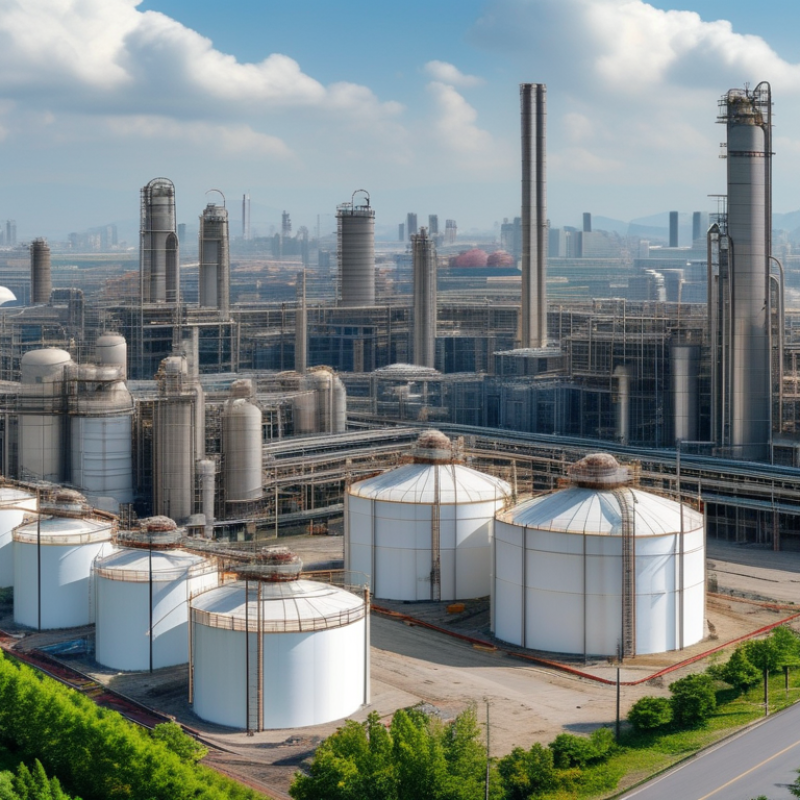
China's Dominance in Global Formic Acid Supply: An Overview
China has established itself as a powerhouse in the global formic acid supply chain. In recent years, it has accounted for over 50% of the world's production, underscoring its influential role. The market demand for formic acid has surged, driven largely by industries such as textiles, leather, and agriculture. According to a report from Global Market Insights, the global formic acid market is expected to reach USD 600 million by 2025, with Asia-Pacific leading the charge. This region is forecasted to grow at a compound annual growth rate (CAGR) of 5.2% during the same period.
Despite China's dominance, challenges remain. Environmental concerns are rising as the production of formic acid often involves processes that can lead to greenhouse gas emissions. The industry faces scrutiny over sustainability practices. Reports indicate that Chinese suppliers are increasingly investing in greener production technologies. However, the adoption rate varies, and some manufacturers still lag behind in implementing these changes.
The dual pressures of competitive pricing and environmental responsibility force suppliers to rethink their strategies. While China's formic acid market thrives, the call for more sustainable practices is growing louder, pushing for a shift that may redefine the industry landscape.
Top Producers of Formic Acid in China: Key Players in the Market
China has emerged as a major player in the global formic acid market. Several top producers are leading the industry with innovative technologies and efficient manufacturing processes. These companies focus on high-quality production and sustainable practices. They have built a reputation for reliability and excellence in the chemical industry.
One notable aspect is the diversity of the suppliers. Each producer has its strengths, which can sometimes lead to inconsistencies in product quality. This variability can challenge potential buyers. Understanding each company's capabilities is essential for making informed purchasing decisions.
Moreover, the market is subject to fluctuations in raw material prices and environmental regulations. These factors can impact the supply chain and production costs. Buyers need to stay informed about these dynamics. Engaging with multiple suppliers can provide security against shortages. It also allows for broader market insight. This approach enhances the buyer's ability to navigate a complex supply landscape.
China's Top 10 Formic Acid Suppliers - Market Overview
Market Share Analysis of Leading Formic Acid Suppliers in China
China has emerged as a major player in the global formic acid market. The country accounts for approximately 40% of the world's production, based on recent analyses. This significant portion underscores the competitive landscape among its leading suppliers. Data indicates that in 2022, the demand for formic acid rose by 8%, reflecting its diverse applications in industries such as agriculture and textiles.
A notable aspect of the market is the concentration of supply among a few key players. Reports show that the top three suppliers hold nearly 60% of the market share. This raises questions about market dynamics and the challenges smaller manufacturers face. They often struggle with scaling production while ensuring quality. Additionally, regulatory compliance continues to be a hurdle for some suppliers, impacting their market position.
The growth trend in formic acid consumption suggests a robust future. However, potential fluctuations in raw material prices can affect profitability. Increasing global demand means that suppliers must adapt quickly to changing market conditions. Continual innovation and investment in production efficiency will be vital for sustaining their competitive edge in an ever-evolving industry landscape.
China Top 10 Suppliers of Formic Acid for Global Buyers - Market Share Analysis
| Supplier Rank |
Annual Production (Metric Tons) |
Market Share (%) |
Key Markets |
Year Established |
| 1 |
50,000 |
25% |
Europe, Asia |
1998 |
| 2 |
40,000 |
20% |
North America, Asia |
2000 |
| 3 |
35,000 |
18% |
Asia, Africa |
1995 |
| 4 |
30,000 |
15% |
Europe, Americas |
2010 |
| 5 |
25,000 |
10% |
Asia, Middle East |
2005 |
| 6 |
20,000 |
8% |
Europe, Asia |
2012 |
| 7 |
15,000 |
6% |
Asia, Africa |
2015 |
| 8 |
10,000 |
4% |
North America, Europe |
2020 |
| 9 |
5,000 |
3% |
Asia |
2018 |
| 10 |
2,000 |
2% |
Local Market |
2021 |
Export Trends: China's Formic Acid Sales to Global Markets
China has established itself as a dominant player in the global formic acid market. Over the past few years, the country's exports have seen a notable increase. This trend reflects not only rising production capacity but also an expanding understanding of international demand. Formic acid is crucial for various industries, including agriculture, textiles, and pharmaceuticals. Global buyers increasingly look to China for reliable supply.
Chinese suppliers have embraced modern production techniques to enhance quality. They pursue efficiency while maintaining competitive pricing. However, this rapid growth has raised questions about sustainability. Some manufacturers face challenges related to environmental regulations. Balancing production demands with ecological responsibility remains a key issue. Moreover, supply chain disruptions can impact timed deliveries, creating potential friction with overseas clients.
Export trends indicate a diversification of markets. Countries in Asia, Europe, and North America are becoming more reliant on Chinese formic acid. The sector's future hinges on adaptability. Continual assessment of global market conditions will be essential for maintaining a strong export position. While the current outlook appears positive, businesses must consider how external factors may influence their operations moving forward.
Industry Applications Driving Demand for Formic Acid Worldwide
The global demand for formic acid is on the rise, driven by its various industrial applications. In 2022, the market size for formic acid was valued at approximately USD 1.79 billion and is projected to grow at a compound annual growth rate (CAGR) of about 5.5% from 2023 to 2030. This growth is linked to the expanding use of formic acid in agriculture, textiles, and pharmaceuticals. Notably, its role as a preservative in livestock feed is a significant factor in agricultural demand.
Moreover, the drive towards sustainable solutions has led to increased interest in formic acid as a green chemical. In the textile industry, for instance, its application in dyeing processes improves color fastness. Reports indicate that around 30% of the global demand for formic acid comes from the textile sector, underscoring its importance. Despite these positive trends, the industry faces challenges such as fluctuating raw material prices and regulatory constraints, which can hinder growth and incentivize re-evaluation of strategies.
Overall, while the market for formic acid shows promise, it's essential for stakeholders to navigate potential roadblocks. By focusing on innovation and adapting to market fluctuations, the global community can harness the full potential of formic acid in various applications.
FAQS
: China has several leading producers in the formic acid market, known for innovative technologies and reliable quality.
Each producer has unique strengths, which may result in inconsistencies in product quality for buyers to consider.
Fluctuations in raw material prices and environmental regulations can significantly affect production costs and availability.
Engaging with multiple suppliers offers security against shortages and provides broader market insight to buyers.
Its various industrial applications, especially in agriculture, textiles, and pharmaceuticals, are key factors driving demand.
It is used as a preservative in livestock feed, significantly increasing its demand in the agricultural sector.
Around 30% of global demand comes from textiles, where it enhances dye processes and color fastness.
Regulatory constraints and fluctuating raw material prices can hinder growth and require reevaluation of strategies.
Focusing on innovation and adapting to market changes can help stakeholders understand and leverage market potential.
Yes, the variability in product quality and external market pressures highlight the need for improvement and reflection.
Conclusion
China has established itself as a leading supplier of Formic Acid in the global market, driven by significant production capacities and a robust manufacturing sector. The country boasts several top producers that play pivotal roles in shaping the market landscape. A market share analysis indicates that these key players dominate the industry, contributing to China's reputation as a reliable source of Formic Acid for international buyers.
Export trends reveal a consistent increase in China's Formic Acid sales to global markets, fueled by rising demand across various industrial applications. This surge is attributed to Formic Acid's versatility, which finds use in agriculture, textiles, and chemical manufacturing. As such, China's strategic position in the Formic Acid supply chain not only meets domestic requirements but also supports international markets, making it an essential player in the global chemical industry.

 Pulisi