In recent years, the demand for Potassium Formate Liquid has surged, especially in various industrial applications. According to a report by Global Market Insights, the market for potassium formate is expected to reach USD 300 million by 2026, driven by its use in de-icing, oil and gas, and as an efficient chemical reagent. This growth reflects a broader trend toward sustainable solutions in industries where reliable materials are essential.
Sourcing Potassium Formate Liquid requires understanding its properties. This eco-friendly solution is favored for its biodegradable nature. Its use can enhance safety and reduce environmental impact. However, the sourcing process has complexities that warrant attention. Suppliers may vary in quality and reliability, leading to challenges in maintaining consistent production standards. Manufacturers must carefully evaluate potential suppliers to avoid potential pitfalls.
The increasing interest in Potassium Formate Liquid highlights the need for informed decisions in sourcing. Companies should conduct thorough research and ensure adherence to industry regulations. Choices made now can significantly influence operational efficiency and environmental footprint in the future. The evolving market landscape calls for continual reassessment and adaptation in sourcing strategies.
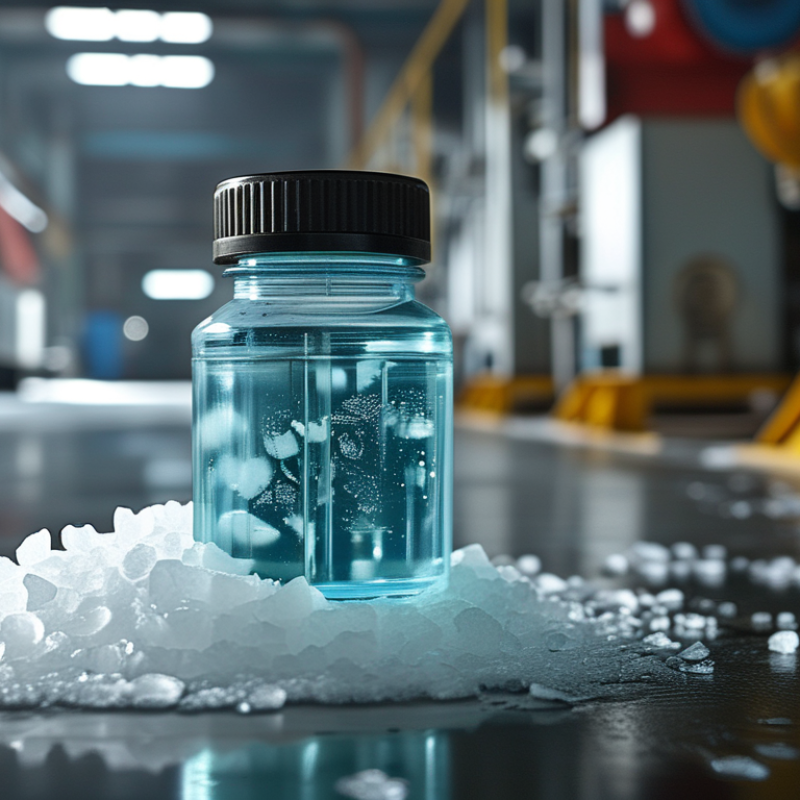
Potassium formate is a versatile compound with various industrial applications. It serves as a key component in de-icing agents, drilling fluids, and even as a buffering agent in agriculture. Its chemical formula is CHKO2, which makes it a suitable alternative to traditional chlorides due to its lower environmental impact.
In the oil and gas industry, potassium formate is used in drilling fluids. According to a 2022 industry report, the demand for potassium formate in this field is projected to grow at a CAGR of 5% through 2026. This growth can be attributed to its ability to reduce fluid loss and improve wellbore stability. The compound also boasts excellent thermal properties, functioning effectively even in high-temperature environments, which is crucial for deep drilling operations.
Furthermore, potassium formate is beneficial for agriculture as it acts as a nutrient source for crops. Recent studies show that it can enhance plant growth and yield while safeguarding soil health. Despite its advantages, sourcing this compound can pose challenges. Availability and cost fluctuations may impede consistent supply. Industries must stay informed about market trends and potential sourcing hurdles to ensure uninterrupted production processes.
Sourcing potassium formate liquid for industrial applications involves careful selection of suppliers. Industry reports indicate that the global demand for potassium formate is rising, with a projected annual growth rate of 6% over the next five years. This growth is driven by its use in various sectors, such as the oil and gas industry, where it's valued for its properties as an effective drilling fluid.
Identifying reliable suppliers is crucial. Start by looking for vendors with proven track records and positive reviews. Suppliers should offer transparency about sourcing and production processes. According to a 2022 market analysis, 75% of procurement professionals view supplier reliability as a top factor in their decision-making process. An assessment of a supplier's certifications can provide insights into their industry standing.
**Tips:** Verify the supplier's compliance with safety and quality standards. Conduct regular audits to ensure ongoing reliability. Also, engage with suppliers to discuss their production methods. This dialogue can reveal their commitment to quality and sustainability practices. Be cautious of suppliers that hesitate to share detailed information. This could be a red flag in the supplier's operational integrity.
When sourcing potassium formate for industrial use, it is crucial to evaluate the quality and purity standards. Potassium formate is a versatile chemical, widely used in various applications. Ensuring its quality can mitigate risks in production processes.
One key aspect is identifying the purity percentage. High-quality potassium formate typically contains at least 99% purity. Impurities can affect performance and safety. Conducting thorough tests on samples is essential. Analyzing specific contaminants can guide purchasing decisions. Laboratories should follow standardized protocols to ensure reliable results.
Another consideration involves sourcing from reputable suppliers. Suppliers should provide certificates of analysis. These documents verify the chemical's purity and adherence to industry standards. Additionally, building relationships with suppliers may lead to better insights and support. Trustworthiness in sourcing can save time and resources. It creates a streamlined supply chain, reducing variability in product quality.
Transporting potassium formate liquid for industrial use involves careful planning. The logistics should accommodate the substance's specific needs. Proper storage is crucial during transit. It must be kept at stable temperatures to maintain quality.
Choosing the right transportation method can be challenging. Road transport allows for flexibility but may face delays. Rail offers a reliable alternative with lower risks of spillage. Each method requires special handling to uphold safety standards. Containers should be corrosion-resistant and clearly labeled.
Logistical teams should consider regional regulations as well. What is acceptable in one area may not be in another. Continuous assessment of transportation processes is key. It helps identify potential improvements or pitfalls. Feedback from transport personnel adds valuable insights for future shipments.
When sourcing potassium formate for industrial applications, understanding regulatory requirements is crucial. Various bodies govern its use, affecting production and distribution. Compliance with safety standards is non-negotiable. Facilities must regularly conduct risk assessments. Documentation should be thorough and easily accessible. This ensures traceability and accountability.
Local regulations may differ significantly. Companies should familiarize themselves with regional laws before proceeding. Some jurisdictions may have specific guidelines regarding the storage of potassium formate. Failing to adhere to these rules can result in penalties. Regular training sessions for employees can mitigate misunderstandings about these regulations.
Moreover, maintaining open communication with regulatory authorities is essential. Engaging with experts who understand the evolving landscape can provide a reliable pathway to compliance. Feedback from regulatory audits can offer valuable insights. Continuous improvement in operational practices will enhance safety and compliance. Balancing these aspects often poses challenges, but is vital for sustainable operations.
| Source Type | Purity Level (%) | Regulatory Approval | Common Applications | Safety Precautions |
|---|---|---|---|---|
| Natural Sources | > 99% | FDA Approved | De-icing agents, Oil Recovery | Wear gloves, Eye protection |
| Synthetic Production | > 98% | REACH Compliant | Chemical manufacturing, Agriculture | Avoid inhalation, Use PPE |
| Recycled Sources | > 95% | Circular Economy Approved | Biodegradable solutions, Waste treatment | Ensure proper ventilation |
| Import from International Suppliers | > 99% | International Trade Compliance | Construction, Road maintenance | Check for shipping regulations |
: Potassium formate is used in de-icing agents, drilling fluids, and as a buffering agent in agriculture.
It has a lower environmental impact, making it a more sustainable choice.
It reduces fluid loss and improves wellbore stability during drilling.
It functions effectively in high-temperature environments, which is vital for deep drilling.
Reliable suppliers ensure consistent quality and availability of the product.
Choose vendors with positive reviews, transparency, and a strong track record.
High-quality potassium formate should have at least 99% purity for effective performance.
Conduct tests on samples to check for impurities and request certificates of analysis from suppliers.
Fluctuations in availability and cost can disrupt consistent supply to industries.
Engaging with suppliers can provide insights into their production methods and commitment to quality.
In the quest for sourcing Potassium Formate Liquid for industrial use, it is essential to first understand its properties and applications across various sectors. This compound is widely recognized for its efficacy in a range of processes, including de-icing and as an additive in drilling fluids. Identifying reliable suppliers is crucial; businesses should conduct thorough research and audits to ensure the vendors comply with industry standards.
Moreover, evaluating the quality and purity standards of Potassium Formate Liquid is paramount to ensure that the product meets the specific needs of industrial applications. Establishing a logistics plan for transportation is equally important to maintain product integrity during transit. Finally, industry professionals must stay informed about the regulatory considerations surrounding the use of Potassium Formate to ensure compliance and safe handling in all operations.

Pulisi