How to Choose the Best Sodium Sulphide Supplier in China?

Time:2026-09-09 Author:Amelia
0%

Choosing the right Sodium Sulphide supplier in China requires more than comparing prices. Product consistency, documentation, packaging, and communication can directly affect production results. A reliable supplier should provide clear specifications, a current Safety Data Sheet, and a verifiable Certificate of Analysis for every batch. Details matter.

Start by checking the supplier’s manufacturing background. Confirm whether it operates its own facility or relies on unclear intermediaries. Review production capacity, quality-control procedures, storage conditions, and export experience. Factory photographs can help, but they are not enough. A video inspection or qualified third-party audit offers stronger evidence. Small details, such as sealed bags, moisture protection, readable labels, and clean loading areas, often reveal operational discipline.

Ask practical questions before signing a contract. What purity range can the supplier maintain? How are impurities tested? Can it provide batch traceability and retain samples? What happens when a shipment fails inspection? The answers should be specific, not polished promises. Documentation must also match applicable transport, customs, workplace-safety, and environmental requirements in the destination market. Independent testing may be worthwhile, especially for the first order.

Price remains important, but the cheapest offer may create hidden costs. Delays, inconsistent purity, damaged packaging, or missing documents can disrupt an entire supply chain. No checklist is perfect. I have sometimes underestimated the value of fast, honest communication. That mistake is avoidable. The best Sodium Sulphide supplier combines stable quality, transparent evidence, responsive service, and responsible compliance. This guide explains how to evaluate those factors with greater confidence.
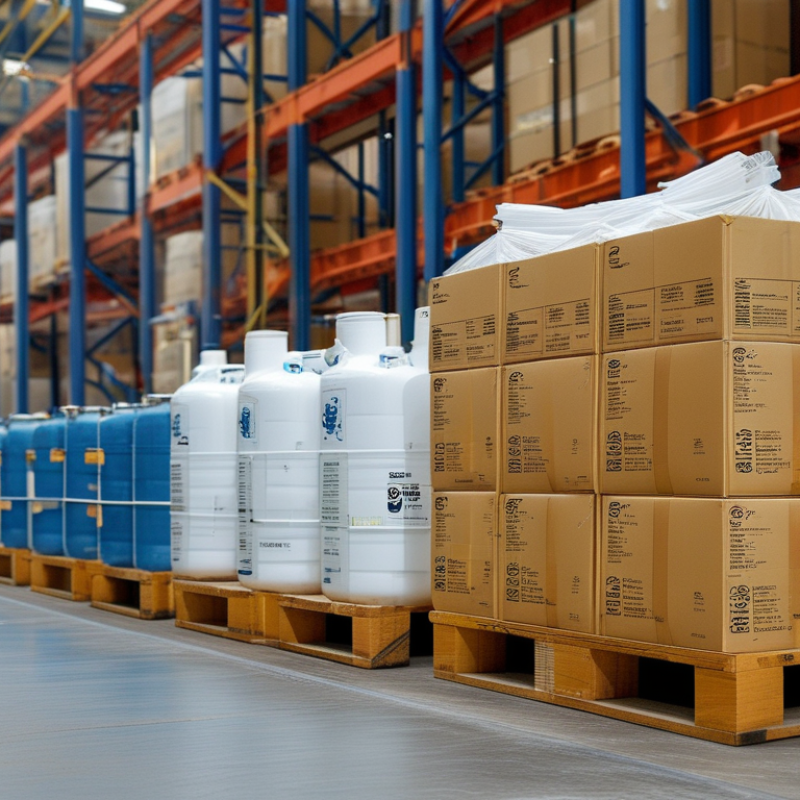
How to Choose the Best Sodium Sulphide Supplier in China?

Understanding Sodium Sulphide Grades and Industry Applications

How to Choose the Best Sodium Sulphide Supplier in China?

Understanding sodium sulphide grades starts with the application, not the catalogue. Industrial grades commonly differ in purity, iron content, moisture, and physical form. Solid flakes suit easier storage and controlled dosing. Lower-iron grades are often preferred in textile processing and pulp production. Mining operations may require consistent reactivity and reliable particle size. Water treatment needs careful impurity control.

A qualified supplier should provide a current specification sheet and batch-specific certificate of analysis. Check sodium sulphide content, sodium carbonate, iron, and insoluble matter. Ask how samples are tested. Independent laboratory verification can reveal differences hidden by similar labels. Packaging also matters. Moisture-resistant bags, secure pallets, and clear hazard markings reduce handling problems during transport.

I have found that communication often predicts performance. Can the supplier explain grade selection in practical terms? Can they discuss storage temperature, ventilation, and segregation from incompatible materials? Response speed is useful, but technical accuracy matters more. A factory audit, production sample, and traceable batch records strengthen confidence. Do not judge only by price. The cheapest offer may involve variable purity or weak packaging. Even experienced buyers can overlook seasonal moisture changes. That deserves reflection. Request a pilot order, compare test results, and record every deviation before approving regular supply.

Assessing Supplier Quality, Certifications, and Production Capacity

When choosing a sodium sulphide supplier in China, quality evidence matters more than a polished website. Request a recent certificate of analysis for every production lot. Check sodium sulphide content, iron, insoluble matter, moisture, and packaging condition. Compare results with your process limits, not only the supplier’s specification sheet.

Certification supports confidence, but it does not replace inspection. The ISO Survey 2023 recorded more than 1.26 million ISO 9001 certificates worldwide. This figure shows broad adoption, not automatic chemical consistency. Verify the certificate number, scope, issuing body, and expiry date. ISO 14001 and ISO 45001 can also indicate stronger environmental and safety systems. Ask for SDS documents aligned with the United Nations Globally Harmonized System. Some suppliers provide outdated documents. That is a warning.

Production capacity should be tested through evidence. Request monthly output, reactor or production-line details, warehouse capacity, and recent export records. UN Comtrade data for 2023 can help compare China’s trade activity with other supplying countries. Yet trade volume alone can mislead. Large shipments may reflect trading activity rather than stable manufacturing. A factory audit should examine raw-material storage, moisture control, batch coding, and emergency procedures. Ask for a small trial order before signing a long contract. It may feel inefficient. It often reveals packaging weaknesses, delivery delays, or inconsistent color. Independent laboratory testing remains wise, especially when your process cannot tolerate iron or moisture variation.

How to Choose the Best Sodium Sulphide Supplier in China?

A practical supplier evaluation should balance product quality, recognized certifications, production capacity, safety compliance, and delivery reliability. The chart below presents a suggested 100-point assessment model for comparing suppliers without using company or brand data.

Product quality receives the highest weighting because sodium sulphide purity, concentration, moisture, insoluble matter, and batch consistency directly affect downstream processing. Certifications such as ISO 9001, ISO 14001, and ISO 45001, together with current SDS and batch-specific COA documentation, help verify quality and operational control. Production capacity and delivery performance should be confirmed through auditable records, not marketing claims.

Comparing Product Specifications, Pricing, and Minimum Order Quantities

Choosing a sodium sulphide supplier in China requires more than comparing the lowest quoted price. Product specifications should match your process, not just the sales sheet. Check purity, sodium sulphide content, iron level, water-insoluble matter, and moisture. Ask whether the product is supplied as flakes, solid pieces, or another form. Physical form affects handling and dissolution time.

Request a recent certificate of analysis for each production batch. Confirm the testing method and compare results with an independent laboratory when possible. Packaging also matters. Strong, moisture-resistant bags can prevent caking during transport. A small sample can reveal color, odor, flowability, and storage behavior. It is a simple step, but buyers sometimes skip it under time pressure.

Pricing should include more than the factory quotation. Calculate packaging, inland transport, export documentation, freight, insurance, and possible storage costs. A lower unit price may hide a higher landed cost. Minimum order quantity deserves equal attention. Large MOQs may reduce the price per tonne, but they can tie up cash and increase warehouse risk. Ask about trial orders and repeat-order flexibility. Suppliers that explain specification changes clearly are generally easier to manage. Still, no document replaces a careful audit. I would record every agreed parameter, because memory becomes unreliable after several quotations. Be cautious with promises of “premium quality” without measurable limits.

Verifying Export Experience, Packaging, and Logistics Capabilities

Choosing the best sodium sulphide supplier in China requires more than comparing quotations. Export experience matters because chemical shipments involve precise documents, port procedures, and destination requirements. Ask for recent export records, commercial invoices, packing lists, certificates of analysis, and safety data sheets. A reliable supplier should explain the product grade, concentration, moisture level, and testing method clearly. Vague answers deserve attention.

Packaging reveals practical experience. Check whether the material is packed in suitable, tightly sealed bags or drums with strong outer protection. Labels should remain readable after handling and include batch details, net weight, production date, and required hazard information. Request loading photographs when possible. Small details matter. Damaged pallets can create delays, contamination, or loss during transit.

Logistics capability should be tested with specific questions. Can the supplier arrange container loading, moisture protection, inspection, and tracking updates? Can they provide a realistic shipping schedule during busy seasons? Verify their experience with your destination port and preferred Incoterms. Compliance documents must match the actual cargo, not an old template. A low price may hide weak coordination. I have found that response speed is useful, but it is not proof of reliability. Check references, inspect samples, and keep written records before placing a trial order.

How to Choose the Best Sodium Sulphide Supplier in China? - Verifying Export Experience, Packaging, and Logistics Capabilities

No. Evaluation Dimension Recommended Verification Data Practical Benchmark Evidence to Request Warning Signs Assessment Status
1 Product Identity and Grade Confirm whether the product is sodium sulphide flakes, solid, or solution; record sodium sulphide content, iron content, moisture, and physical form. The specification should match the buyer’s process requirements and remain consistent across the quotation, SDS, COA, and commercial documents. Current technical data sheet, product specification, representative certificate of analysis, and batch test method. Different product descriptions or unexplained variation in assay, colour, moisture, or iron content. Verify Before Approval
2 Export Experience Review the number of years exporting hazardous chemicals, principal destination regions, shipment frequency, and experience with the buyer’s preferred Incoterm. A capable exporter should provide verifiable, redacted shipping records or references covering comparable chemical cargoes without disclosing confidential customer information. Redacted bills of lading, customs export records, packing lists, destination-country delivery records, and trade references. Only domestic sales experience, unverifiable export claims, or refusal to provide any supporting documentation. Document Check
3 Safety Data Sheet and Regulatory Compliance Check whether the SDS is current, complete, product-specific, and consistent with the transport classification and destination-country requirements. The SDS should include hazard identification, composition, handling, storage, exposure controls, transport information, and emergency measures. Current SDS, product label artwork, regulatory declarations, and confirmation of the applicable Chinese and destination-market requirements. Generic SDS, missing transport information, inconsistent hazard statements, or an SDS that does not match the supplied product. Mandatory
4 Packaging Specification Verify bag or drum material, inner liner, net weight, pallet configuration, moisture protection, closure method, and container loading plan. Packaging should be suitable for corrosive, moisture-sensitive chemical cargo and comply with applicable dangerous-goods packaging requirements. Packaging drawings, photographs of actual packed cargo, packaging test information, pallet plan, and approved packing instructions. Damaged bags, weak stitching, inadequate liners, excessive headspace, unclear net weight, or packaging that differs from the approved sample. Physical Sample Check
5 Container Loading and Moisture Control Assess loading method, container cleanliness, use of liners or desiccants where appropriate, cargo securing, and protection from rain or condensation. The loading procedure should minimize bag movement, water exposure, contamination, and product caking during ocean transport. Container loading photographs, loading checklist, seal records, stowage plan, and pre-loading inspection procedure. Loading in open weather, wet containers, mixed incompatible cargo, unstable stacking, or no documented loading inspection. Operational Review
6 Dangerous-Goods Documentation Confirm that classification, shipping name, labels, marks, declarations, and documentation are prepared by personnel familiar with applicable transport rules. The transport classification must be verified for the exact product form and concentration before booking and must be consistent across all shipping documents. Dangerous-goods declaration where applicable, container packing certificate, approved labels and marks, SDS transport section, and booking documents. Last-minute classification changes, mismatched product names, missing declarations, or reliance on informal instructions. Mandatory
7 Port and Freight Management Evaluate access to suitable Chinese export ports, carrier-booking capability, transit-time planning, transshipment control, and dangerous-goods acceptance procedures. The supplier should offer at least one realistic routing plan with booking lead time, expected transit time, cut-off dates, and contingency options. Freight quotation, routing proposal, booking confirmation sample, port cut-off schedule, and documented escalation process. Unclear route, unsupported delivery promise, no contingency plan, or repeated rollovers caused by incomplete cargo documentation. Logistics Review
8 Quality Control and Batch Traceability Review raw-material control, production testing, sampling frequency, retained samples, lot numbering, and complaint investigation procedures. Each shipment should be traceable to a production batch and supported by a COA that identifies the tested parameters and test date. Quality manual, sample COA, batch coding format, inspection records, retained-sample policy, and corrective-action report template. COA issued without batch information, unverifiable test results, no retained samples, or inability to investigate deviations. Quality Audit
9 Pre-Shipment Inspection Determine whether the buyer or an independent inspection party can inspect quantity, packaging, labels, condition, and documents before shipment. Inspection should be completed before container sealing, with nonconformities recorded and corrected before release. Inspection checklist, inspection report template, loading supervision procedure, and acceptance criteria. Supplier refuses reasonable inspection, changes the lot after approval, or cannot provide clear release criteria. Recommended
10 Delivery Reliability and Communication Measure quotation response time, document accuracy, production lead time, shipment schedule adherence, and response to urgent logistics issues. The supplier should provide one accountable contact, written milestones, prompt document corrections, and regular updates from order confirmation to delivery. Order timeline, communication protocol, escalation contacts, on-time-delivery records, and sample shipment update format. Frequent unexplained delays, inconsistent information, slow document corrections, or no designated export coordinator. Score Continuously
11 Commercial and Incoterm Clarity Compare product price, packaging charges, inland transport, export clearance, ocean freight, insurance, destination charges, payment terms, and applicable Incoterm. The quotation should clearly separate included and excluded costs and state the currency, validity period, delivery point, lead time, and payment conditions. Itemized quotation, proforma invoice, Incoterm confirmation, payment schedule, and written clarification of destination responsibilities. Unexplained surcharges, ambiguous delivery responsibility, unusually low price, or major cost changes after order placement. Commercial Review
12 After-Sales and Claims Handling Assess procedures for damaged packaging, wet cargo, quality deviations, shortage claims, document discrepancies, and corrective actions. A written claims process should define notification deadlines, required evidence, investigation time, replacement or credit options, and corrective-action responsibilities. Claims procedure, response-time commitment, sample corrective-action report, and insurance or liability information where applicable. No written claims process, refusal to investigate transport damage, or unclear responsibility between supplier and forwarder. Final Qualification

Evaluating Supplier Communication, Compliance, and Long-Term Reliability

How to Choose the Best Sodium Sulphide Supplier in China?

Supplier communication is a practical quality test. Request a current specification, safety data sheet, batch analysis, and export documents. Check whether technical replies include moisture, purity, iron content, packaging, and test methods. Vague answers create costly delays later. I learned this after one shipment arrived with unclear batch references. The product was usable, but verification took days.

Compliance should be visible, not merely promised. Confirm alignment with the UN Globally Harmonized System and applicable transport rules. Review ISO 9001 certification, audit dates, corrective actions, and traceability procedures. The 2023 ISO Survey recorded more than 1.26 million ISO 9001 certificates worldwide, yet certification alone does not prove strong chemical controls. UNEP’s Global Chemicals Outlook also warns that chemical production may nearly double by 2030. This increases the value of transparent environmental and safety management.

Tips: Ask for two recent batch reports and one customer reference from a similar industry. Test a retained sample through an independent laboratory. Compare response times during routine questions. Also, inspect packaging photos closely. Damaged bags often reveal weak warehouse discipline. Do not select only by price. A cheaper offer may exclude testing, secure storage, or reliable delivery planning. Recheck the supplier after six months. Long-term reliability can weaken when raw-material costs rise, and this risk is easy to overlook.

FAQS

: What quality documents should I request from a supplier?

: Request a recent certificate of analysis for every production batch. Check purity, iron, insoluble matter, moisture, and packaging condition.

Does certification guarantee consistent chemical quality?

No. Certification supports confidence, but it does not replace inspections, sampling, or independent testing.

How can I verify a certification document?

Check its certificate number, scope, issuing organization, and expiry date. Outdated safety documents require careful review.

What production information should a supplier provide?

Ask for monthly output, production-line details, warehouse capacity, batch coding, and recent export records.

Why should I place a small trial order?

A trial order can reveal weak bags, delayed delivery, inconsistent color, or moisture problems. Small samples matter.

Which product specifications deserve attention?

Confirm sodium sulphide content, iron level, moisture, insoluble matter, and physical form. Flakes and solid pieces may dissolve differently.

What costs should I include when comparing prices?

Include packaging, inland transport, documents, freight, insurance, and storage. A low unit price may create a higher delivered cost.

How can I assess packaging and shipping capability?

Check sealed bags or drums, readable labels, batch details, net weight, production date, and strong pallet protection.

What questions should I ask about export logistics?

Ask about container loading, moisture protection, inspections, tracking updates, shipping schedules, destination ports, and delivery terms.

Is fast communication proof of supplier reliability?

Not really. Response speed helps, but references, samples, audits, and written records provide stronger evidence. I might still overvalue quick replies.

Conclusion

Choosing the best Sodium Sulphide supplier in China requires more than comparing prices. Start by identifying the correct grade for your industry and confirming key specifications such as purity, appearance, moisture content, and consistency between batches. A reliable supplier should provide clear technical documentation, relevant quality certifications, stable production capacity, and suitable minimum order quantities. Comparing quotations should also include packaging, loading conditions, payment terms, and overall supply stability rather than focusing only on the unit price.

Export experience is equally important. Verify whether the supplier can provide secure, compliant packaging, accurate shipping documents, and dependable logistics coordination for your destination. Pay attention to response speed, technical support, transparency, and willingness to share samples or inspection information. Suppliers that communicate clearly, meet agreed schedules, follow applicable regulations, and maintain consistent quality are more likely to support long-term cooperation. A careful evaluation of product performance, commercial terms, compliance, and service reliability will help buyers make a confident and practical choice.

Amelia

Amelia

Amelia is a seasoned marketing professional with a wealth of expertise in our company’s core offerings. With an unwavering passion for driving growth and innovation, she plays a pivotal role in shaping our marketing strategies and enhancing brand visibility. A key aspect of her responsibilities......