Choosing a Sodium Sulphide Plant supplier is a decision about more than equipment price. It affects product consistency, operator safety, maintenance needs, and the reliability of daily production. A polished brochure cannot show how a plant performs during a difficult shift. Ask for process data, equipment specifications, and references from installations with comparable capacity and feed conditions.
A supplier should explain the complete process route in plain terms. Look closely at material selection, temperature control, emissions handling, instrumentation, and plans for commissioning and operator training. Request clear details about expected throughput, product quality, utility consumption, and routine maintenance. Then check whether those figures are supported by test results or operating records. Small omissions matter. A missing service interval or unclear control limit can become an expensive surprise.
A real expert quotation cannot be verified from the information provided, so the following is an illustrative line, not an attributed statement: “A plant is only as dependable as the process data and support behind it.” The fictional speaker, Dr. Mira Chen, represents a process-engineering perspective; she is not a real, verified industry source. Use that principle when comparing proposals. Ask who will answer technical questions after installation, how spare parts are supplied, and what acceptance tests are included. One uncomfortable point deserves attention: even a strong supplier may not fit every site. Compare evidence, visit operating facilities when possible, and record unresolved questions before signing. The right Sodium Sulphide Plant partner makes its limits as clear as its capabilities.
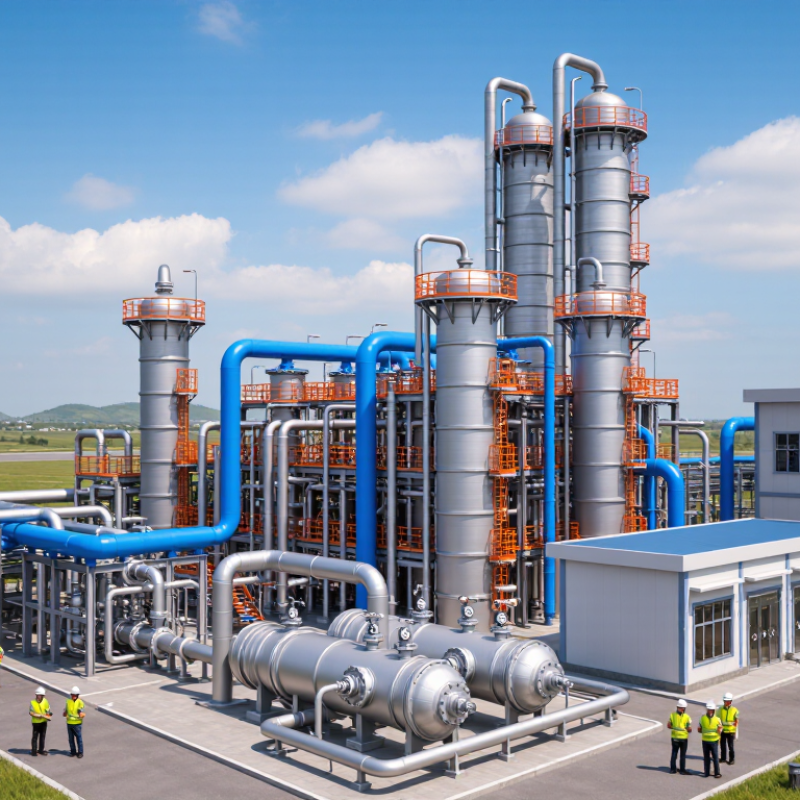
Understanding sodium sulphide plant requirements starts with the product form and operating conditions. A buyer must define flakes, powder, or liquid solution, plus purity, moisture, iron, carbonate, and insoluble limits. These details control storage, dosing, heating, and material selection. The U.S. EPA AP-42 industrial process guidance highlights emissions control as a key design consideration for chemical manufacturing facilities. A supplier should therefore provide a clear process flow diagram and an equipment list.
Safety requirements deserve closer attention. Sodium sulphide can release hydrogen sulphide when it contacts acids or poorly controlled wastewater. The OSHA Hydrogen Sulfide standard identifies a 20 ppm ceiling limit, while the NIOSH Pocket Guide lists 100 ppm as immediately dangerous to life or health. These figures support fixed gas detectors, local exhaust ventilation, sealed transfer points, and independent emergency alarms. Provide protection early.
Practical plant design also requires bunded tanks, corrosion-resistant linings, emergency showers, and controlled drainage. The supplier should explain how concentration, temperature, and residence time affect corrosion. Request piping and instrumentation diagrams, heat and material balances, hazard studies, factory testing records, and commissioning procedures. ISO 9001-style document control is useful, but certification alone does not prove engineering quality. I would also inspect reference projects and operator training records. Some specifications look complete, yet omit maintenance access or realistic cleaning time. That omission can become expensive.
| Evaluation Dimension | What the Plant Requires | What to Verify with the Supplier | Useful Evidence or Acceptance Basis |
|---|---|---|---|
| Production route | The process must suit the intended product form and available feedstocks. Routes can include reduction of sodium sulphate with a carbon source, or production of sodium sulphide solution by absorbing hydrogen sulphide into caustic soda. | Ask for a process description, material balance, feedstock assumptions, and an explanation of how impurities and by-products are managed. | Process flow diagram and a clearly defined feedstock and product basis. |
| Product specification | Product requirements depend on the application and may include sodium sulphide content, iron content, insoluble matter, moisture, and physical form. | Confirm that the proposed process and quality-control plan can meet the buyer’s specified test methods and limits. | Guaranteed product specification, sampling plan, and agreed analytical methods. |
| Capacity and operating range | Equipment sizing should reflect the required production rate, operating schedule, feed variability, and planned maintenance. | Clarify nameplate capacity, expected production under stated feed conditions, turndown limits, and assumptions about annual operating hours. | Capacity guarantee tied to defined feed, operating conditions, and product quality. |
| Feedstock and utilities | Depending on the selected route, the plant may require sodium sulphate and a reducing agent, or caustic soda and hydrogen sulphide, plus electricity, water, fuel, and process air or other utilities. | Request consumption estimates and identify required feedstock quality, utility conditions, storage needs, and utility battery limits. | Material and utility consumption schedule with stated design conditions. |
| Process equipment and materials | Reactors, furnaces, absorbers, tanks, pumps, filters, evaporators, and product-handling equipment must be selected for the actual process conditions and chemical exposure. | Review equipment datasheets, design conditions, corrosion allowances, lining or material selections, and maintenance access. | Equipment list, materials-of-construction schedule, and design documentation. |
| Product finishing and storage | Solid products may require concentration, drying, flaking or other finishing, and moisture-controlled storage. Liquid products require compatible tanks and transfer systems. | Confirm the finished product form, packaging or bulk-transfer method, storage conditions, and measures to limit air and moisture exposure where needed. | Product-handling design and storage recommendations consistent with the specification. |
| Environmental controls | Plant design may need controls for dust, process gases, wastewater, and solid residues. Applicable discharge and emission limits depend on the installation location. | Ask which streams are generated, how they are collected and treated, and what permitting assumptions were used. | Emissions and wastewater estimates, treatment concept, and a location-specific compliance review. |
| Process safety | Sodium sulphide can release highly toxic hydrogen sulphide gas if it contacts acids. Hydrogen sulphide feed, where used, also presents a severe inhalation hazard. | Check for hazard reviews, gas detection, ventilation, containment, emergency procedures, interlocks, and operator training provisions. | Hazard and operability review documentation, safety instrument descriptions, and emergency-response requirements. |
| Automation and quality control | Instrumentation and control should monitor key process conditions and support consistent production, safe shutdown, and product testing. | Review control-system scope, alarm and trip philosophy, data recording, laboratory requirements, and interfaces with site systems. | Control narrative, instrument list, alarm/trip schedule, and quality-control plan. |
| Installation and commissioning | Successful start-up depends on defined site interfaces, installation checks, commissioning procedures, and availability of trained personnel. | Confirm the division of responsibilities, schedule, performance-test method, training scope, and required site utilities and facilities. | Project execution plan, commissioning checklist, and agreed performance-test protocol. |
| Lifecycle support | Reliable operation requires access to operating guidance, maintenance information, critical spares, and technical support. | Clarify documentation deliverables, spare-parts recommendations, support response arrangements, and operator training. | Document register, recommended spares list, and written support scope. |
Planning note: Capacity, product limits, process conditions, and regulatory obligations should be defined for the specific project. Confirm final design values through process engineering, hazard assessment, and applicable local codes and permits.
Define flakes, powder, or liquid solution. Specify purity, moisture, iron, carbonate, and insoluble limits. These details affect storage, dosing, heating, and material selection.
Use fixed gas detectors and independent emergency alarms. Install local exhaust ventilation and sealed transfer points. Sensors need regular testing. A silent sensor is useless.
Use bunded tanks with corrosion-resistant linings. Provide emergency showers and controlled drainage. Keep spills away from uncontrolled wastewater and acidic materials.
Request process flow diagrams and equipment lists. Also request piping diagrams, heat balances, and material balances. Hazard studies, testing records, and commissioning procedures reveal missing details.
Judge operating evidence, not polished brochures. Ask how the system controls temperature, pressure, gas handling, and concentration. Photos are not enough.
Confirm hourly output, raw material quality, utility demand, and expected uptime. Ask for guaranteed conditions during performance testing. A stated capacity may fall during startup or hot weather.
Check access around reactors, pumps, dryers, and storage tanks. Review cleaning time, calibration work, and spare-part arrangements. Some specifications look complete but hide awkward maintenance spaces.
Review risk assessments, inspection certificates, training logs, and emergency procedures. Ask what happens after a detector or alarm fails. Independent verification is wise. No audit predicts every problem.
Choosing the right Sodium Sulphide Plant supplier begins with clearly defining your production capacity, raw material conditions, product specifications, energy requirements, and site limitations. A qualified supplier should demonstrate relevant engineering experience, reliable process technology, appropriate automation, and strong safety and environmental management practices. It is also important to assess whether the proposed plant can achieve stable operation, consistent product quality, and future expansion needs.
When comparing suppliers, look beyond the initial quotation and evaluate the complete lifecycle cost, including installation, utilities, maintenance, training, spare parts, and long-term operating efficiency. Request verifiable project references and review the supplier’s commissioning, technical support, and after-sales service capabilities. Contract terms should clearly define performance guarantees, delivery schedules, responsibilities, warranty coverage, documentation, and acceptance procedures. A careful, transparent evaluation will help ensure that the selected Sodium Sulphide Plant supplier can provide a safe, efficient, compliant, and dependable solution.

 Pulisi